
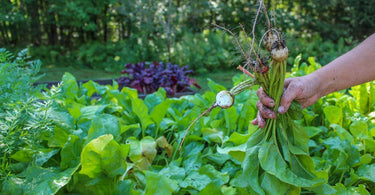
Welcome to the wonderful world of gardening! It’s a formidable journey you’re embarking upon full of ups and downs, trials and errors, and a whole lot of wait and see. We know it can be intimidating - gardening magazines and social media can make it seem like photo worthy is the only standard but, the truth is, gardening involves more mess ups than picture perfect plants! Even for experts. As far as we’re concerned, the only perfect garden is the one that has been planted.
Sow! Let’s get into the basics to help you get growing: Sun, Soil, Water, Attention.
SUNLIGHT:
Most seeds need at least 6 hours of direct sunlight per day, unless specified for shady areas, so choose your space wisely. Growing in small containers often makes sense for new growers because you can move your pots to find the most reliable light. If you’re growing in the ground, get to know your garden space. Check in throughout the day to see how the sunlight hits certain areas and remember, seasons change how high the sun is and it’s angles so be conscious of changes during the shoulder seasons! A ‘shoulder season’ are the months at the edges of your growing season; very early spring and late fall as your garden starts to wind down. The weather still offers growing temperatures but the nights are cool so only your hardiest varieties survive. Some of our favorite cold tolerant greens are kale, swiss chard, spinach, and some lettuce varieties. Click here for our full list.
SOIL:
Grab a soil that meets your needs. If you’re starting seeds indoors, look for a seed starting mix rather than regular garden soil.

These mixes, like our Coast of Maine Sprout Island Seed Starter, are fine-textured and well-draining, which helps delicate roots get off on the right foot.
If you’re planting in a raised bed, look for a garden soil blend that contains compost or add some to a topsoil mix. Raised beds require good moisture retention and adequate drainage so roots have room to spread. If your plan is to start directly in the ground, you’ll need to do a bit more digging. The goal is to work with what you’ve got and improve upon the native soil. A healthy garden soil should feel crumbly, drain well, and be amended with compost or organic materials to help support healthy plant growth.
Most Seeds are resilient, especially the ones on this list, so if access to the best soil is limited, don’t stress. As long as it’s loose and well-draining, your seeds still stand a chance. Churn up any yard soil and if you’re feeling really ambitious, send a sample to your co-op extension to get an accurate read on acidity and soil health. Read more on Why We Love Our Co-Op Extensions HERE!
WATER:
Consistent moisture helps seeds germinate and establish their roots. Once established most garden plants need at least 1 inch of water a week from rain or your garden hose. Following a set watering schedule is nice but remember, weather patterns change so get to know how your soil feels. Gently place your finger in the soil at least 2 inches deep. If it feels dry, it’s time to water. If it still feels cool and a bit damp, that means moisture is still available to your growing plant and it’s ok to wait another day or two before you get the hose. Over and under watering can impact your growth but it’s safer to let them dry out a bit rather than drown them.
ATTENTION:
Check in, take photos, touch the soil, and stay consistent. Spending time observing your garden at every stage will teach you more than any blog or video could. Notice how the leaves look, how the soil feels, how the plants respond to windy weather or heavy rains. Keep an eye out for weeds! Get familiar with what your seedlings look like and you’ll notice any weeds that pop up; they appear suddenly, grow much faster than everything else, and look different from what you planted. Pull them out by the root during your daily check-ins and you’ll keep them under control. Paying attention week after week will help you catch problems early and understand what your garden needs. If something doesn’t look quite right, go with your gut and investigate! Trust us - you’re more intuitive than you think.
Remember, every gardener had their first day - even those photographed in magazines. Some seasons will surprise you, while others get you down, but every season will teach you something new. We’re still learning plenty ourselves! With a bit of time, patience, attention, and care, your garden will start to grow and so will your confidence.
For more tips on getting started, read our Ultimate Gardening Guide with tips from Pinetree Customers or connect with us on facebook and join Rooted: The Pinetree Garden Chat. Most importantly, you can always reach a real person if you give us a call or send us an email. We’re here to help every step of the way.
207-926-3400
hello@superseeds.com
